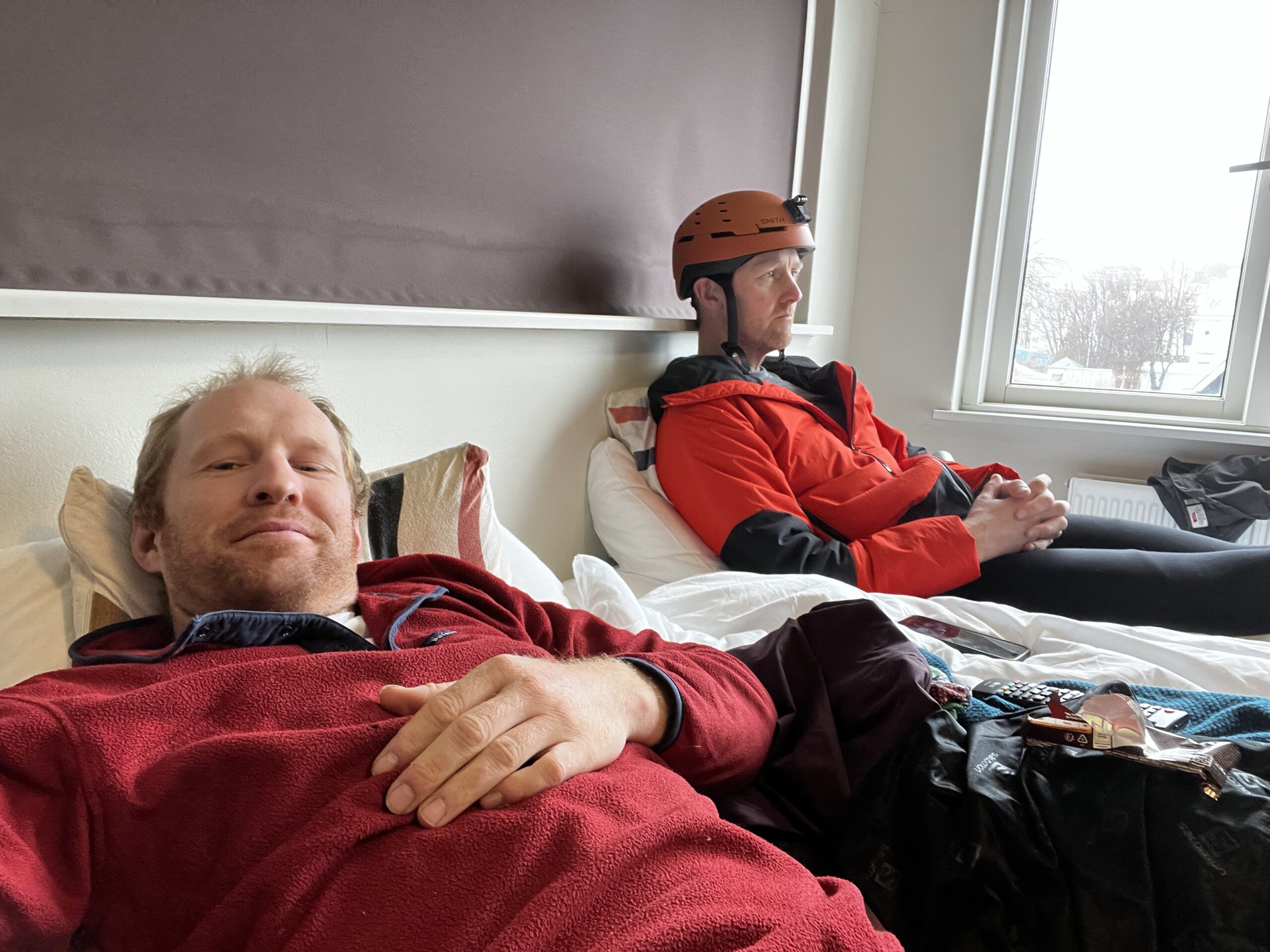
Most athletes love the training part, the hard sessions, the suffering, the numbers, the feeling of earning fitness.
But what many forget is that training itself is not what makes you fitter. Training is simply the stimulus. The adaptation the actual improvement happens during recovery.
If your recovery is poor, your body never fully absorbs the work you are doing. Instead of building fitness, you slowly accumulate fatigue, stress and eventually stagnation.
At E3Coach we often remind athletes that recovery is not the reward for training well ,it is part of the training itself.
Sleep. The Most Powerful Recovery Tool You’re Ignoring
The single biggest recovery tool available to athletes is sleep.
Not supplements, not ice baths, not fancy gadgets, Sleep.
Particularly deep sleep, where your body releases growth hormone and carries out much of the repair and adaptation process from training. This is where muscle repair occurs, hormonal balance improves and the nervous system resets itself.
If sleep quality drops, recovery quality drops with it.
Most athletes know this already because they’ve felt it. One poor night of sleep and suddenly easy training feels hard, motivation drops, heart rate rises and recovery slows down dramatically.
Elite athletes understand this well. Many prioritise naps as part of their training routine because even 20–30 minutes of additional deep rest can improve recovery and nervous system regulation.
The reality is simple: if you want to train hard consistently, you need to sleep seriously.
Nutrition, Recovery Starts Immediately
One of the biggest mistakes endurance athletes make is delaying recovery nutrition.
Your body is incredibly receptive to replenishing glycogen stores immediately after training, especially within roughly the first 30 minutes after exercise. Miss that opportunity consistently and recovery becomes slower and less effective.
Even steady aerobic sessions deplete glycogen, particularly once duration increases.
This doesn’t mean smashing huge meals the second you stop training, but it does mean having some form of carbohydrate available soon after sessions, alongside fluids and ideally some protein.
Simple recovery habits matter:
- Recovery drink ready in the car.
- Food prepared before long sessions.
- Hydrating before you become dehydrated.
Boring? Maybe.
Effective? Absolutely.
Hydration, Small Errors Become Big Problems
Most endurance athletes walk around mildly dehydrated without realising it.
Hydration affects performance, recovery, circulation, temperature regulation and even sleep quality. Yet many athletes only think about drinking once they already feel thirsty.
A simple way to monitor hydration is urine colour and frequency. Dark urine and not needing to pee for long periods after training are usually signs you’re behind.
Long mountain days, heat, altitude and cold environments can all increase dehydration risk, even when sweat loss is less obvious.
Small hydration mistakes repeated daily eventually become performance limiters.
Your Nervous System Matters More Than You Think
Hard training stimulates the sympathetic nervous system, your fight or flight response.
That’s useful during hard efforts, racing and big expeditions, but many athletes never properly switch back into recovery mode afterwards.
The result?
Poor sleep.
Elevated resting heart rate.
Tight muscles.
Mental fatigue.
Reduced adaptation.
This is why tools like yoga, breathing work, walking and light recovery movement can have such a powerful effect.
They help shift the body back toward the parasympathetic state — the rest, digest and recover side of the nervous system.
Recovery is not only muscular.
It’s neurological too.
Movement Can Speed Recovery
One of the biggest myths in endurance sport is that complete inactivity always improves recovery.
Often the opposite is true.
After hard sessions many athletes feel worse after sitting still all day. Legs tighten up, circulation drops and stiffness increases.
Very easy movement can help massively:
- Walking
- Easy cycling
- Swimming
- Gentle mobility work
- Very light aerobic sessions
The key word is easy.
Recovery sessions are not fitness sessions in disguise. If you finish exhausted, breathing hard or smashed, you missed the point completely.
You should finish recovery work feeling better than when you started.
Swimming is particularly effective because it is non-impact, cooling and reduces gravitational loading on tired legs. Even easy time in water can dramatically improve recovery sensation.
Self Maintenance Matters
Hard training creates muscle tension, adhesions and stiffness.
If left unmanaged, movement quality decreases and injury risk rises.
Simple self-maintenance tools like foam rollers, massage balls and mobility work can improve circulation, reduce tension and help restore movement quality.
The key is consistency, not brutality.
You do not need hour-long torture sessions on a foam roller. A few minutes done regularly often works far better than occasional aggressive treatment.
A healthy muscle should tolerate pressure well.
Painful, tight tissue is usually a sign that recovery is lagging behind training stress.
Recovery Is What Allows Consistency
Most athletes are looking for the perfect session, the secret workout or the magical intensity zone.
But long-term performance rarely comes from one heroic session.
It comes from being able to train well consistently for months and years without breaking down physically or mentally.
Good recovery allows:
- Better adaptation
- Higher training quality
- More consistent volume
- Lower injury risk
- Better hormonal health
- Improved nervous system balance
The athletes who improve the most are often not the athletes who can suffer the hardest for one day.
They are the athletes who recover well enough to train properly again tomorrow.
At E3Coach we are big believers that recovery should be treated with the same seriousness as the training itself.
Because without recovery, training is just stress.
Follow on Youtube – https://www.youtube.com/@E3coach
Follow Jon’s Instagram – https://www.instagram.com/jon_endurance_coach/
Follow E3coach community Instagram – https://www.instagram.com/e3coach/