VO2 max has become one of the most overhyped numbers in endurance sport.
Wearables love it.
Fitness apps push it.
Athletes obsess over it.
And yet after testing hundreds of athletes over the years and tracking my own data through expeditions, racing and coaching I can honestly say VO2 max is very rarely the thing holding most endurance athletes back.
That surprises people because the industry has spent years convincing us that a bigger VO2 max automatically means better endurance performance.
It doesn’t.
So What Actually Is VO2 Max?
VO2 max is simply the maximum amount of oxygen your body can take in and use during hard exercise. Think of it as the size of your aerobic engine.
A bigger engine is useful, of course. But having a massive engine means very little if:
- You burn fuel inefficiently
- You can’t sustain a high percentage of that output
- Your movement economy is poor
- Your muscular endurance fails first
- If your mental game is poor
And this is exactly what we see in real-world endurance performance.
What Actually Predicts Performance?
There are really four major things that determine endurance success:
- VO2 max
- Lactate threshold
- Movement economy
- Psychological approach and resilience
Out of those for, VO2 max is often the least important, once an athlete becomes reasonably trained.
I’ve seen athletes with average VO2 max numbers outperform athletes with much “better” physiology on paper simply because they:
- Move more efficiently
- Pace better
- Have stronger aerobic thresholds
- Possess better muscular endurance
- Waste less energy
- Strong mental approach
This becomes even more obvious in mountain sports, ultra events and expeditions.
Nobody cares what your VO2 max is at hour 12 of a mountain day.
What matters is:
- How efficiently you move
- How well you clear fatigue
- How long you can stay aerobic
- How durable your system is
- How well you maintain focus when tired
The athlete who can move efficiently for hours almost always beats the athlete with the flashy lab number.
VO2 Max Plateaus Faster Than People Think
This is another thing many athletes don’t realise.
VO2 max improves fairly quickly in newer athletes, especially through hard interval work. That’s why so many studies and apps focus on it because it changes fast and is easy to measure.
But for trained athletes, VO2 max often plateaus relatively early.
I’ve personally seen this repeatedly when testing athletes.
The gains become smaller and smaller, while performance can still improve massively through:
- Better aerobic efficiency
- Improved lactate threshold
- Greater mitochondrial density
- Better movement economy
- Stronger muscular endurance
- Smarter pacing and durability
In simple terms:
Your engine may not get much bigger anymore… but you can become dramatically better at using it.
Economy Is Hugely Underrated
Economy is one of the least glamorous but most important parts of endurance performance.
It’s how much energy you use to maintain a given pace or output.
A more economical athlete burns less energy at the same speed.
That means:
- Lower heart rate
- Less glycogen use
- Better lactate clearance
- Less muscular fatigue
- Better long-duration performance
This is why experienced endurance athletes often improve well into their 30s and 40s despite declining VO2 max numbers.
They move better.
Relax better.
Waste less energy.
Pace better.
Stay aerobic longer.
That matters far more in the real world.
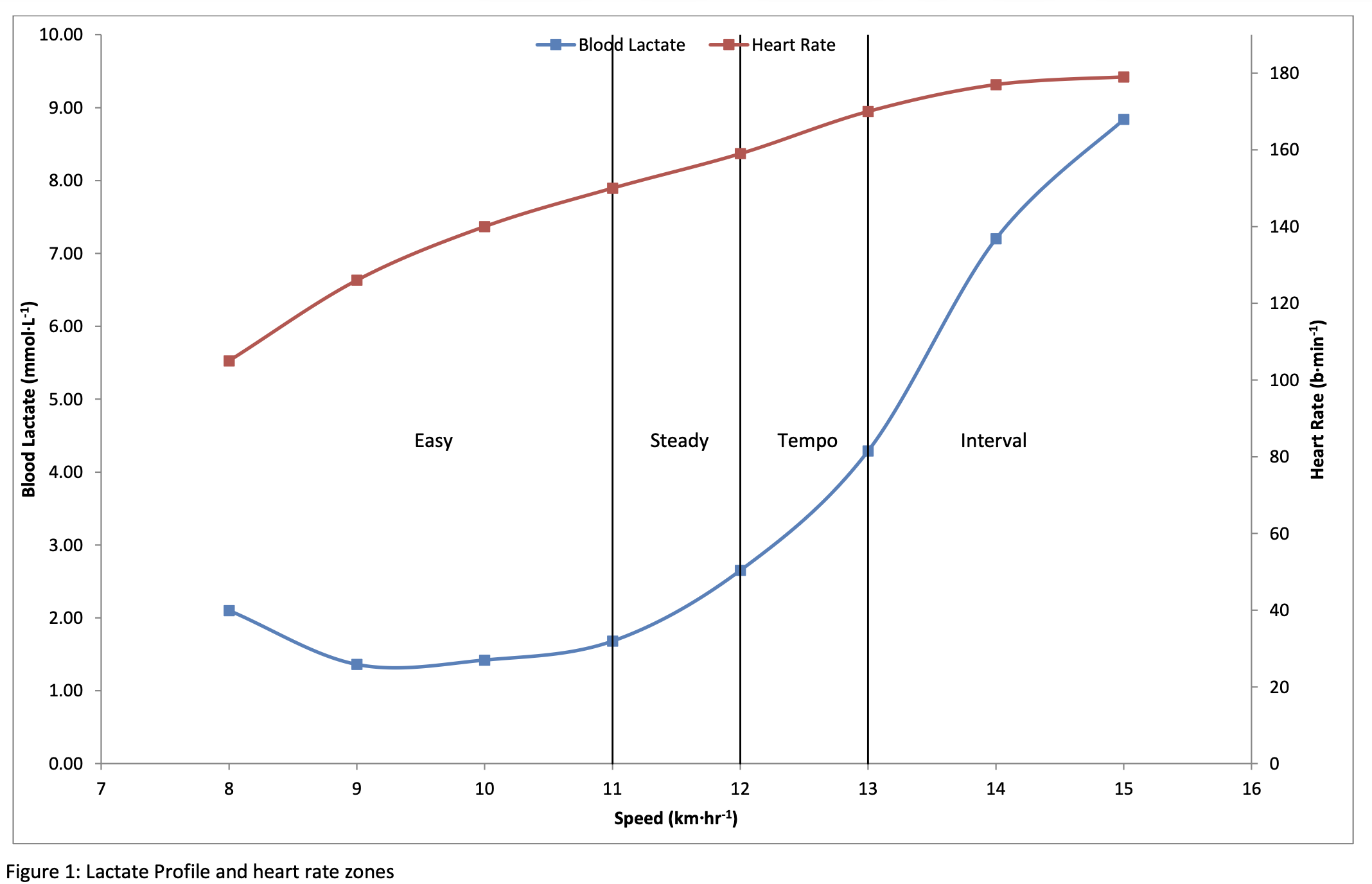
Lactate Threshold Is Often More Important
Your lactate threshold determines the highest intensity you can sustain while still clearing lactate effectively.
In other words:
How hard can you work before things begin falling apart?
This is hugely important for mountain athletes, ultra runners, ski mountaineers and expedition athletes because most long events happen below maximum effort.
The athlete who can sustain a high percentage of their aerobic capacity for hours is usually the stronger endurance athlete.
Not the athlete who produces the biggest five-minute lab test.
Does Intensity Matter?
Absolutely.
But intensity should support the aerobic system, not replace it.
Too many athletes build training entirely around chasing intensity because hard sessions feel productive. They feel exciting. You feel like you’ve “worked.”
But without the aerobic infrastructure underneath, intensity becomes something you survive rather than absorb.
At E3Coach we often focus heavily on:
- Aerobic development
- Muscular endurance
- Movement economy
- Durability
- Long-term consistency
- Psychological training
Then intensity is layered in strategically when the athlete is ready for it.
Because intensity sharpens fitness.
But the aerobic system is what carries you through mountains, ultras and long expeditions.
The Real Goal
The goal is not to own the highest VO2 max score in the room.
The goal is to become the athlete who can:
- Stay aerobic longest
- Move efficiently under fatigue
- Recover well
- Maintain output for hours
- Keep moving when everyone else slows down
That is real endurance performance.
And in the real world, that almost never comes from chasing one number on a watch.
Follow on YouTube – https://www.youtube.com/@E3coach
Follow my training – https://www.instagram.com/jon_endurance_coach/
Follow E3C community – https://www.instagram.com/e3coach/